
百度翻译首日零破发与“上市即巅峰” 如何看待新股爆炒风险?_我的网站
一 | 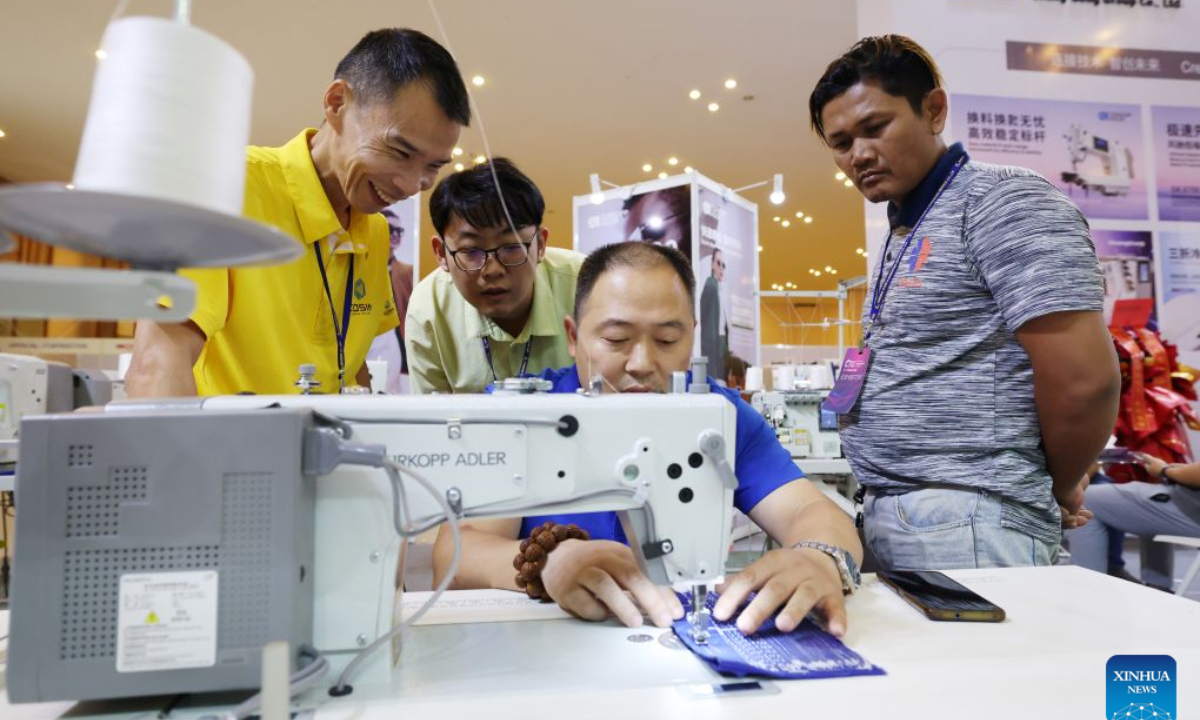 The four-day expo, which runs from Thursday to Sunday, features more than 200 local and international exhibitors. A significant portion of these participants comprises Chinese companies across four core sectors: machinery and automation, textiles and garments, plastics and rubber, and printing and packaging. Organized by Yorkers Trade & Marketing Service Co., Ltd. in collaboration with the Ministry of Industry, Science, Technology & Innovation, the expo provided a platform to showcase emerging industrial technologies, foster business connections and support the modernization of Cambodia's manufacturing sector. According to official ministry data, Cambodia had 3,357 operational factories as of July 2026. These facilities employ over 1.35 million workers, more than 70 percent of whom are women. Total factory investment in the kingdom reached approximately 28 billion U.S. dollars, a 29 percent increase compared to the same period in 2025. Additionally, industrial production during the first half of 2026 was valued at over 9.8 billion dollars, including roughly 7.3 billion dollars in goods manufactured for export. Cambodian Minister of Industry, Science, Technology and Innovation Hem Vanndy urged Cambodian enterprises to embrace advanced technologies to boost productivity, improve quality, and sharpen their competitive edge. "Artificial intelligence, production-line automation, robotics, digital technologies and smart manufacturing are increasingly determining the competitiveness of nations," he said during the expo's opening ceremony on Thursday. "Cambodia cannot remain outside this transformation," Vanndy said. "We must embrace new technologies to increase productivity, reduce costs, improve product quality and strengthen the competitiveness of our enterprises." Chim Vinly, the expo's organizing staff member, said the exhibition plays a vital role in introducing innovative manufacturing technologies to Cambodia's garment sector, as attendees can explore a diverse range of advanced machinery designed to elevate production standards. "Most exhibitors represent the textile and garment industries, with the majority being local and Chinese companies," he told Xinhua on Saturday. "These advanced manufacturing tools have boosted productivity and modernized local production chains. In particular, they make work faster and more efficient," he added. Vinly said the annual event plays a vital role in further expanding bilateral trade between China and Cambodia. "Chinese investment is crucial to boosting Cambodia's economic growth and generating job opportunities for the local workforce," he said. Bo Seyma, a mechanic at Kosin Sewing Machine Co., Ltd., which supplies Cambodian factories with equipment from the Shanghai-based Shang Gong Group, said the expo is vital for showcasing cutting-edge machinery to the local garment industry. He said the Kosin company is promoting sewing, embroidery, button, and backstitching machines, along with other equipment, to factories in Cambodia. "These industrial machines are in high demand, with numerous factories placing purchase orders with our company," he told Xinhua on Saturday. Seyma said these advanced machines are high-quality and built to last. "These machines accelerate production efficiency while effortlessly meeting customer demands," he said. Thong Mengdavid, deputy director at the China-ASEAN Studies Center of the Cambodia University of Technology and Science, said that Cambodia, a country heavily dependent on textiles and garments, has seen its cooperation with China evolve from providing raw materials like fabrics and finished consumer goods toward technological cross-pollination. This allows local Cambodian plant managers and entrepreneurs to evaluate high-grade machinery directly, he added. "Integrating China's technology, machinery, and tools into Cambodian factories will address several challenges in the local economy, such as enhancing output per hour, reducing material waste caused by human error, and fostering skill development among the workforce," Mengdavid said. 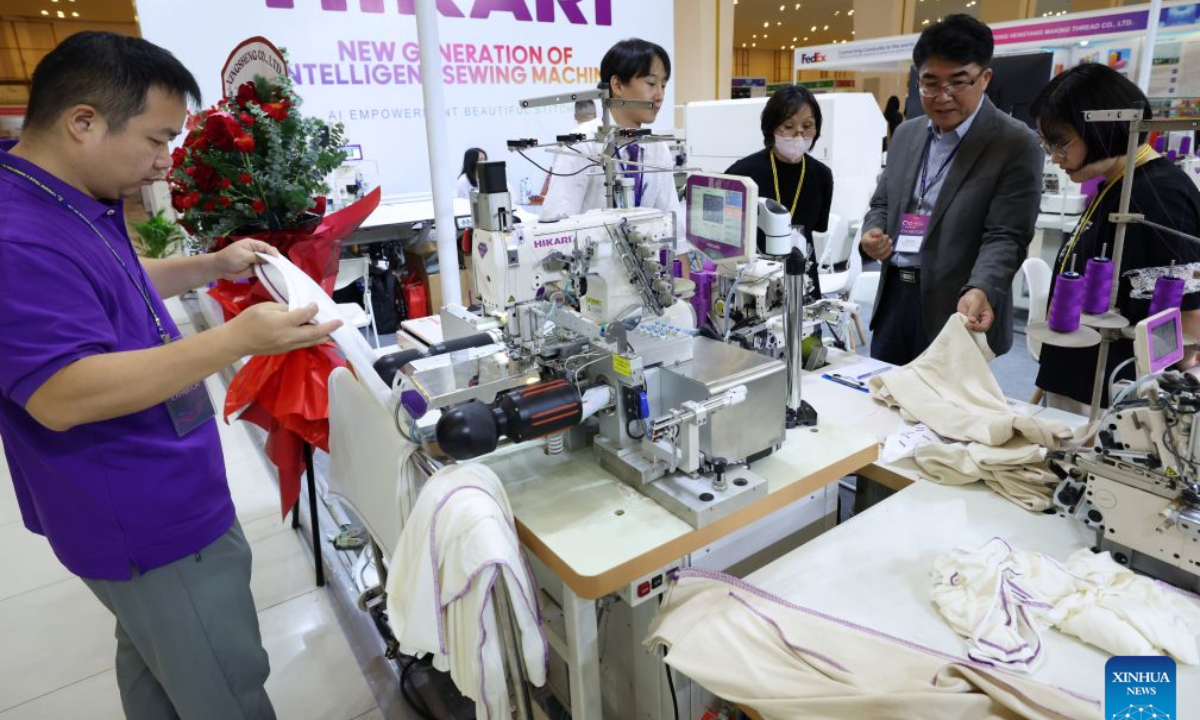 。
二 |
三 | 最高点接盘的资金已亏损近40%。
四 | 首日零破发与“上市即巅峰”2026年,新股市场的赚钱效应比2025年更甚。数据显示,截至8月17日,年内已上市的94只新股首日收盘悉数上涨,较发行价涨幅介于21.53%至1510.52%之间,平均涨幅279.22%,已经高于2024年、2025年的同期水平,更是远高于2023年的66.45%,长进光子(688635.SH)、臻宝科技(688797.SH)首日涨幅就分别超过15倍、12倍。
五 |
六 | 易思维上市首日最高涨到了107.74元/股,现价48.1元/股;乔路铭更是在上市仅仅18个交易日后就跌破发行价。 一边是首日零破发、平均涨幅近280%的狂欢,一边是大量新股次日下跌、涨幅越大回撤越深的现实。这种“冰火两重天”,正是发行定价、筹码结构与交易制度共同作用的结果。 一名资深券商人士向界面新闻表示,由于新股发行采用较低的市盈率定价,上市后股价往往会出现较高溢价,而近期打新的高收益又吸引了资金集中打新;高换手率也意味着,中签客户大部分选择在第一天卖出股票锁定利润。 需要说明的是,A股发行定价早已不是核准制时代“一刀切”的低市盈率模式:2019年科创板试点注册制,率先放开定价约束,2020年创业板跟进试点注册制,2023年全面注册制落地后,主板也取消延续多年的23倍市盈率隐形窗口指导,各板块发行价格交由机构询价博弈形成。 不过,据上述券商人士观察,实操层面,部分发行人与承销商出于规避新股破发、发行失败的考量,定价时会选择相对保守,客观上为上市首日的二级市场溢价预留了空间。
七 | “我不认为问题简单在于'IPO发行价定低了'。”汇生国际资本总裁黄立冲向界面新闻指出,“真正的问题,是发行市场定的是一个机构询价价格,二级市场首日交易的是极少量流通筹码,两者面对的供求结构完全不同。频准激光(688826.SH)上市首日收盘1152元/股,已经是发行价的6倍多。
八 | 即使盈利完全没有变化,估值倍数也会被机械地放大六倍。因此真正存在的不是简单的'发行价错误',而是一级市场估值、极低流通比例、热门主题、打新赚钱效应、情绪等因素,共同造成的短期定价失真。” “供求关系决定价格。”一名投行人士向界面新闻谈到,“想要平抑价格,要么是多发新股,但可能破发,又会被投资者质疑抽水市场;要么是提高个股的新股发行规模,但必然导致大规模超募,会被质疑资金闲置浪费;要么是上市的同时老股转让,增加流通盘规模,但就会导致老股东上市之初就变现离场,会被质疑老股东赚够了让散户承担后续发展风险。” 以宇树科技为例,该股本次发行4044.64万股仅占发行后总股本的10%,上市初期可流通筹码极其有限,而中签率却刷新科创板历史新低。极少量筹码面对巨大资金需求,价格弹性也就被急剧放大。 港股过去有不少“小妖新股”上市首日爆拉后持续阴跌,最终散户套牢。A股目前的新股上市前五日无涨跌幅限制、融券券源有限等制度环境,是否容易复制类似的“首日高潮、后市凉凉”路径?机构投资者在新股上市后多久才会真正基于基本面重新定价? 对此,黄立冲向界面新闻表示,“不认为A股会完全复制香港小妖股,因为制度、投资者结构、上市审核、流动性都不同。但它们具有一个共同的金融规律:当极少量流通筹码遇到巨大的故事需求,短期价格可以严重偏离长期价值;一旦边际买家消失,价格就会重新寻找基本面支撑。” 这种定价机制也解释了机构为何在新股初期“袖手旁观”。
九 | 资深投行人士、前保荐代表人王骥跃向界面新闻指出,“一般在上市三个月后,市场充分博弈了,机构投资者才会真正基于基本面重新定价;个别优质公司除外,总之,一般至少是要等换手率稳定下来。” 如何看待追高风险?全面注册制后,新股交易制度为:沪深主板、科创板、创业板新股上市前5个交易日不设涨跌幅限制,第6个交易日起,主板恢复10%、双创板块恢复20%;为抑制过度炒作,交易所设盘中临时停牌机制——股价相对开盘价涨跌触及30%、60%各临停10分钟。同时A股实行T+1:中签新股上市首日即可卖出,但上市当天在二级市场买入的筹码需待第二天交易。 这样的案例并不少见。
十 | 2025年4月上市的中国瑞林(603257.SH),上市首日股价冲高至162元/股,随后一路下跌至46.02元/股,跌幅高达72%。
十一 | 2026年的新股同样出现分化:除易思维等新股已破发外,宇树科技发行市盈率高达219.23倍,一旦盈利兑现不及预期,估值压缩的空间同样可观。 在黄立冲看来,为减少投资者所面临的风险,制度层面亦有可为。其一,优化IPO询价机制,提升长期资金报价权重与责任约束,避免刻意压低发行价,破除新股“稳赚不赔”的投机认知,从根源遏制炒作需求。其二,优化首发筹码结构,针对总股本大、流通比例极低的热门新股,可通过提高公众发行比例、调整战投配售规则,增加上市初期有效流通筹码。其三,完善多空平衡的定价机制,让多空观点均可合理表达,纠正单边的定价偏差。
十二 | 其四,对异常高估值、小流通盘新股,加强估值风险展示。 Current article:http://he6.cengzaodengchawonin.cyou/etzr23/5t0.html Published on:09:07:29 |


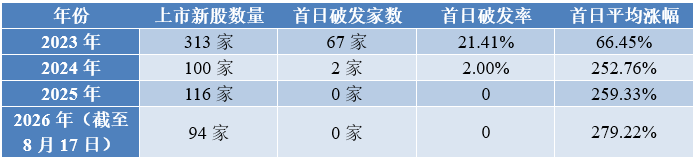 新股表现数据一览。 从破发率看,2023年新股的首日破发率21.41%,2024年骤降至2%,2025年彻底清零,2026年以来延续首日“零破发”态势。 然而,破发消失的另一面,是“上市即巅峰”的普遍化。据证券时报统计,2025年新股在上市次日实现股价上涨的仅30只、占比30%,下跌的达70只、占比70%。 2026年的情形同样未改观。界面新闻发现,尽管年内新股上市首日无一破发,但易思维(688816.SH)、乔路铭(920079.BJ)目前均已跌破发行价。


 (文章来源:界面新闻)。